
by Shahla Hameer Narejo
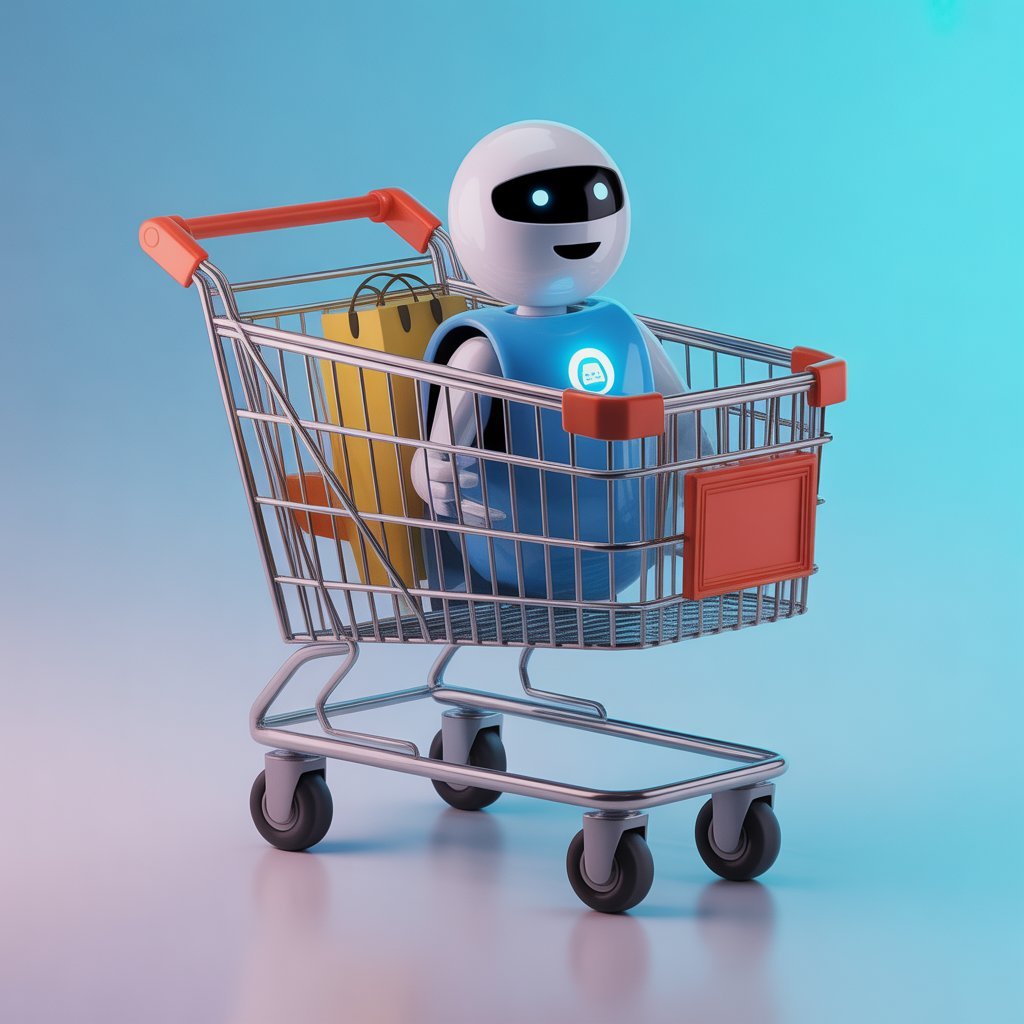
Imagine a shopping experience where the cart recommends what you’re forgetting, compares prices for you, predicts what you’ll want next month, and checks out automatically. That’s the future of e-commerce — and AI shopping agents are making it a reality.
AI shopping agents act like personal digital assistants. They learn user preferences, analyze purchase cycles, and anticipate needs before shoppers express them. Grocery apps are already doing this — auto-adding essentials based on consumption patterns.
E-commerce brands spend enormous time producing product descriptions, images, and creative assets. Generative AI has entered the chat — and it’s changing everything from content production to conversion performance.
AI tools can now write SEO-optimized product descriptions that match brand tone, highlight features, incorporate keywords, and appeal to buyer psychology. Brands no longer need to spend hours crafting descriptions for thousands of SKUs.
Autonomous carts take it further. When a shopper browses, the cart may recommend complementary items (similar to Amazon’s “Frequently Bought Together,” but smarter). It may alert the user when a saved item goes on sale. Or proactively remove items that don’t match the shopper’s price history.
These agents also streamline checkout. They calculate optimal discounts, apply coupons automatically, and select the fastest shipping options. The result? Higher conversion rates and fewer abandoned carts.
For brands, AI shopping agents unlock powerful insights. They reveal consumer intent signals, predict demand, and optimize product placement. They become a bridge between user behavior and real-time recommendations — boosting AOV, retention, and lifetime value.
As AI evolves, expect smarter carts, ultra-personalized storefronts, and predictive subscription models. The future of e-commerce is personalized, automated, and effortlessly intuitive.
Want to discover how AI can transform your e-commerce conversions?
👉 See My E-commerce Case Studies